
You look at your windows every day. But do you really know how they work? Most homeowners can’t explain what is a window sash or why it matters. Yet this simple part controls your home’s comfort and energy bills.
Window problems often start with the sash. Drafts, stuck windows, and high energy costs all point back to this critical component. Many people replace entire windows when they only need sash repairs. Understanding this part saves you money and stress.
This guide breaks down everything about window sashes. You’ll learn what they are, how they function, and when to replace them. We’ll cover different types, common problems, and smart solutions. By the end, you’ll know exactly what to look for in your Clearwater home.
Understanding the Basic Window Sash Structure
A window sash is the movable frame that holds the glass in place. It includes the glass panes, frame, and all the parts that help the window open and close. Think of it as the working part of your window system. The sash slides up and down or side to side, depending on your window type.
Most windows have one or two sashes. Single hung windows have one movable sash at the bottom. Double hung windows feature two movable sashes. Both designs serve the same purpose but offer different ventilation options. The sash connects to the window frame through tracks or channels.
Florida homeowners need sashes that can handle humidity and storms. The right sash design improves energy efficiency and reduces noise. Modern impact windows and doors use reinforced sashes for better protection. These upgraded systems keep your home safe during hurricane season. They also lower your cooling costs year-round.
ne part fails, it affects the entire system. Knowing these parts helps you communicate clearly with contractors. You can spot issues faster and make better repair decisions.
Key Components That Make Up a Window Sash
Window sashes contain several important parts that work together. Each component plays a specific role in function and durability. Understanding these parts helps you identify problems early.
The Essential Parts of Every Window Sash
The glass panes form the visible part of your sash. They provide light, views, and insulation for your home. Modern windows use double or triple-pane glass for better energy savings. The glass sits securely in the sash frame throughout its life.
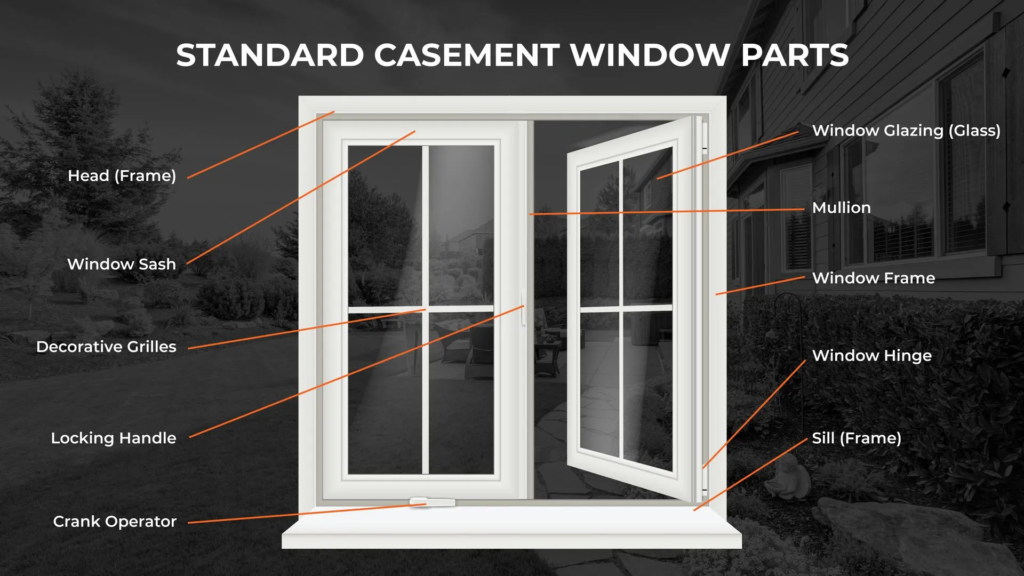
The sash frame surrounds and supports the glass panes. It’s typically made from wood, vinyl, aluminum, or fiberglass. This frame must be strong enough to hold the glass weight. It also needs to resist Florida’s humidity and temperature changes.
Weatherstripping seals the gaps between the sash and frame. This thin material blocks drafts, moisture, and outside noise. Good weatherstripping keeps your energy bills low. It also prevents water damage during heavy rainstorms. Professionalbathroom renovation and kitchen remodeling projects often include window updates for better moisture control.
Main sash components include:
- Glass panes (single, double, or triple)
- Sash frame (wood, vinyl, aluminum, or fiberglass)
- Weatherstripping and seals
- Glazing compound or tape
- Hardware like locks and handles
- Balance systems or weights
- Meeting rails where sashes connect
All these components work as one system. When one part fails, the entire window suffers. Regular inspection of each component prevents bigger problems down the road.
Different Types of Window Sashes for Your Home
Single hung windows feature one fixed sash and one movable sash. The bottom sash slides up while the top stays in place. This design offers good ventilation at an affordable price. Many older homes in Clearwater use this traditional style.
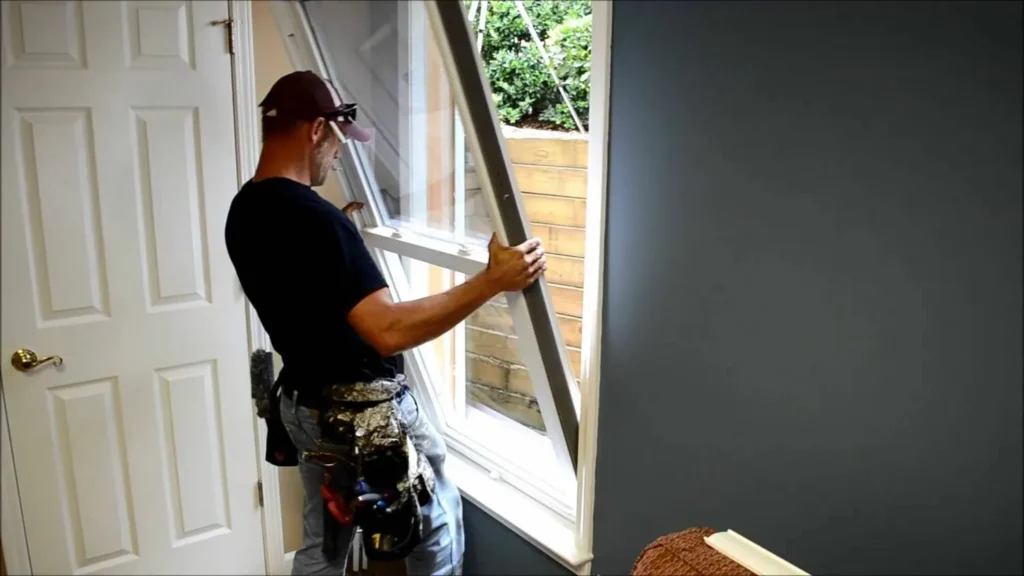
Double hung windows have two movable sashes. Both the top and bottom sections slide up and down independently. This design gives you more control over airflow and ventilation. You can open the top for hot air to escape while cool air enters below. Double hung windows also tilt inward for easy cleaning.
Casement windows use a different sash design altogether. The sash attaches to the frame with hinges on one side. It swings outward like a door when you turn a crank. This style provides excellent ventilation and a tight seal when closed. Casement sashes work well in room additions where you need maximum airflow.
Popular window sash types include:
- Single hung (one movable sash)
- Double hung (two movable sashes)
- Casement (hinged sash that swings out)
- Sliding (sashes move horizontally)
- Awning (hinged at top, opens outward)
- Hopper (hinged at the bottom, opens inward)
- Fixed (non-opening display windows)
Each sash type serves different needs and preferences. Double hung windows remain the most popular choice for Florida homes. They balance cost, function, and style better than most alternatives.
How Window Sashes Actually Function in Your Home
The sash operates through a balance system that controls movement. Traditional windows use weights and pulleys hidden in the frame. Modern designs rely on spring balances or friction systems instead. These mechanisms make opening and closing windows smooth and effortless.
When you raise a sash, the balance system counteracts the weight. This prevents the window from slamming shut on your fingers. The system also holds the sash in any position you choose. Good balance systems last for decades without maintenance or adjustments.
The sash creates an airtight seal when closed properly. Weatherstripping around all edges blocks air leaks and moisture intrusion. The locking mechanism pulls the sashes tight against each other. This seal keeps your home comfortable and energy efficient. Quality outdoor living spaces often incorporate windows with superior sealing properties for year-round comfort.
Key functions of window sashes:
- Control ventilation and airflow
- Create weathertight seals
- Support and protect glass panes
- Allow natural light entry
- Provide emergency egress routes
- Reduce outside noise levels
- Improve home energy efficiency
Proper sash function directly affects your comfort and utility bills. Even small air leaks around the sash waste energy every day. Maintaining good sash operation protects your investment and keeps costs down.
Common Window Sash Problems and Warning Signs
Stuck or difficult windows signal sash problems. Paint buildup, warped frames, or damaged balance systems cause this issue. You might need to force the window open or closed. This struggle wastes your time and damages the sash further.
Drafts around closed windows point to seal failures. You’ll feel cold air in winter or hot air in summer. Your energy bills climb as your HVAC system works harder. Drafty windows also let in moisture, dust, and outside noise. These problems get worse without proper repairs.
Visible damage requires immediate attention. Cracks in the glass, rotting wood, or peeling paint all indicate trouble. Water stains around the window frame suggest leaks. Condensation between glass panes means the seal has failed completely. Professional outdoor kitchen remodeling and home renovation projects should always include window inspections.
Watch for these common sash problems:
- Windows that stick or refuse to stay open in the position you set them
- Drafts and air leaks around the frame, even when windows are fully closed
- Broken or cracked glass panes that compromise security and energy efficiency
- Rotting or warped sash frames caused by moisture damage and age
- Condensation between the glass layers indicates a failed seal that needs replacement
- Difficulty locking or unlocking the window due to misalignment or hardware failure
- Visible water damage or stains on the sash frame or surrounding wall
- Excessive outside noise penetration that suggests poor sealing or gaps
Early detection saves money on repairs. Small sash problems become expensive replacements when ignored. Regular inspections help you catch issues before they escalate.
When to Repair vs Replace Your Window Sash
Minor issues like broken locks or worn weatherstripping need simple repairs. These fixes cost less and extend your window’s life significantly. A professional can replace weatherstripping in under an hour per window. New locks and hardware also install quickly without major work.
Moderate damage requires careful evaluation of repair costs. Rotted wood sections can sometimes be cut out and replaced. Broken balance systems and damaged tracks are also repairable. However, labor costs may approach the price of new windows. Compare repair estimates against replacement options before deciding.
Severe damage usually makes replacement the smarter choice. Multiple cracked panes, extensive rot, or failed seals justify new windows. Old single-pane windows waste so much energy that upgrades pay for themselves. Modern impact windows and doors offer better protection and efficiency than repairs ever could.
Consider replacement when you notice:
- Energy bills keep rising despite repairs because old windows waste cooling and heating
- Multiple sash problems across several windows, indicating system-wide failure throughout your home
- Windows are more than 20 years old and lack modern energy efficiency standards
- Extensive rot or structural damage that makes repairs more expensive than replacement
- Desire for impact-resistant windows that protect against Florida hurricanes and storms
- Home renovation projects that would benefit from updated window styles and functions
- Difficulty finding replacement parts for older or discontinued window models
Replacement makes sense for aging windows with multiple problems. New windows improve home value, comfort, and curb appeal. They also qualify for energy efficiency rebates and insurance discounts.
Choosing the Right Material for Your Window Sash
Material selection affects your window’s performance and lifespan. Each option offers different benefits for Florida’s climate and your budget.
Vinyl Sashes for Low Maintenance
Vinyl sashes resist moisture and never need painting. They won’t rot, warp, or corrode in Florida’s humid climate. The material insulates well and keeps energy costs down. Vinyl comes in various colors that stay vibrant for years. These sashes offer the best value for most homeowners.
Wood Sashes for Traditional Beauty
Wood sashes provide classic elegance and natural insulation. They work perfectly in historic homes and traditional designs. However, wood requires regular maintenance and painting in coastal areas. Moisture can cause rot if you neglect proper care. Quality wood sashes cost more but add significant home value.
Aluminum and Fiberglass for Maximum Durability
Aluminum sashes offer strength and slim profiles for modern homes. They resist corrosion and handle impact better than vinyl. Fiberglass combines the best features of wood and vinyl together. It’s incredibly strong, energy efficient, and virtually maintenance-free. Both materials excel in outdoor construction projects where durability matters most.
Compare window sash materials by these factors:
- Maintenance requirements, including painting, sealing, and cleaning schedules
- Energy efficiency ratings that impact your cooling and heating costs
- Durability in coastal areas with salt air and hurricane winds
- Initial cost versus long-term value, including replacement expenses
- Aesthetic options that match your home’s style and design
- Warranty coverage protecting against defects and weather damage
- Installation complexity affects labor costs and project timeline
Your material choice depends on budget, style, and maintenance preferences. Vinyl works best for most Florida homes seeking affordable performance. Wood suits traditional homes where appearance outweighs maintenance concerns.
Professional Installation Makes All the Difference
Proper installation determines how well your window sash performs. Even the best windows fail when installed incorrectly. Gaps, misalignment, and poor sealing create immediate problems. Professional installers have the tools and experience to do it right.
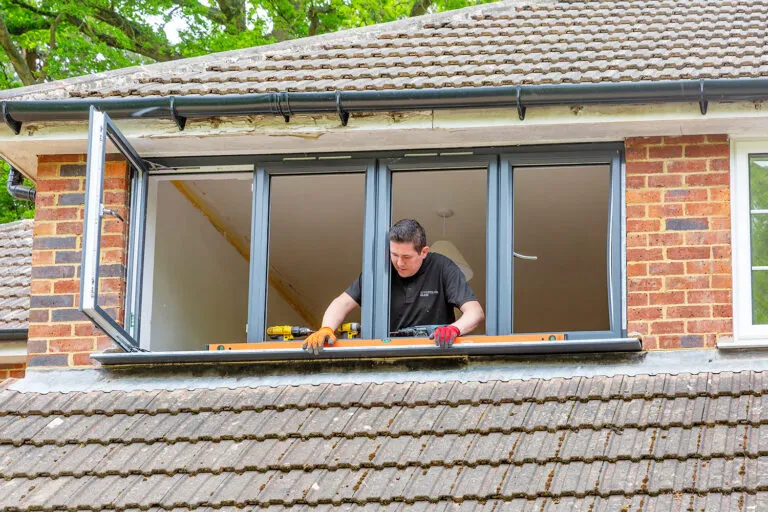
DIY installation might seem cost-effective at first. However, mistakes lead to expensive repairs and energy waste. Incorrectly installed sashes leak air and water into your walls. The warranty may become void if you skip professional installation. Most manufacturers require certified installers to honor their guarantees.
Experienced contractors complete installations faster and more cleanly than homeowners. They handle permits, inspections, and building code requirements properly. Professional teams also dispose of old windows and clean up completely. Quality home renovation services include proper window installation as part of comprehensive projects. The peace of mind alone justifies the investment in expert help.
Frequently Asked Questions About Window Sashes
Here are the most common questions homeowners ask about window sashes and their maintenance.
How much does it cost to replace a window sash?
Sash replacement costs vary based on window size, material choice, and installation complexity. Professional installation ensures proper fit and maximum energy efficiency. Getting multiple quotes from local contractors helps you find the best value.
Can I replace just the window sash without replacing the entire window?
Yes, you can replace just the sash if the frame remains in good condition. This option costs less than full window replacement. However, older frames may not accommodate modern energy-efficient sashes properly.
What is the difference between a window sash and a window frame?
The sash is the movable part that holds the glass and opens or closes. The frame is the stationary structure attached to your wall that supports the sash. Both work together to create a complete window system.
How long do window sashes typically last?
Quality window sashes last 15 to 30 years with proper maintenance. Vinyl and fiberglass sashes often outlast wood in coastal climates. Regular cleaning and weatherstripping replacement extend their lifespan significantly. Consider upgrading to impact-resistant windows for better durability.
Do window sashes affect my home’s energy efficiency?
Window sashes directly impact your energy bills and comfort levels. Drafty or damaged sashes let conditioned air escape constantly. Modern double or triple-pane sashes reduce energy costs significantly.