
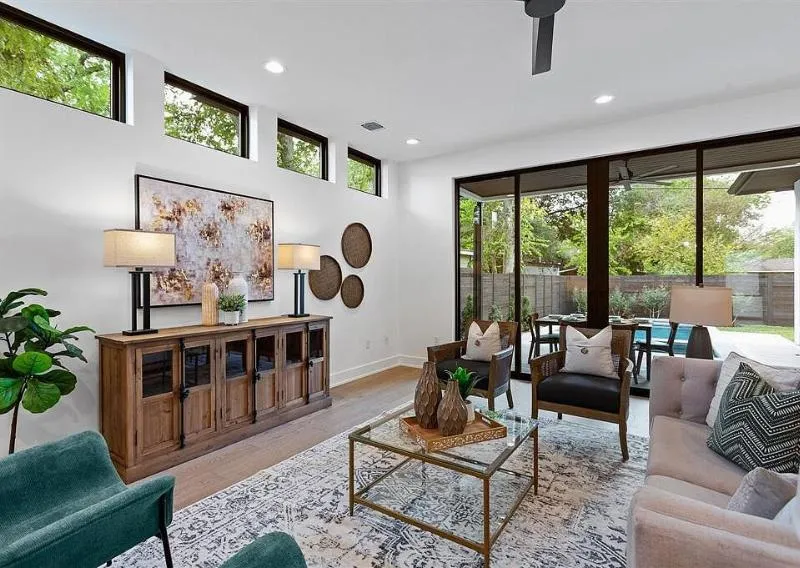
A room addition in Clearwater runs $125 to $375 per square foot. Simple build-outs sit near the low end. A premium suite or a second story lands up top. For a typical 12×12 room, that’s roughly $18,000 to $54,000. Your real number depends on the room, your flood zone, and the county’s wind code.
That’s a wide range, and there’s a reason for it. A bedroom bump-out is cheap. A new kitchen, or a whole second floor with hurricane straps and impact windows, is not. And if you hire the wrong contractor, the kind who goes quiet halfway through, the number climbs fast.
So here’s the plan. We’ll break down real Clearwater prices by room and by size. Then we’ll get into the two things most cost guides skip: the 150 mph wind zone, and the flood rules that can quietly double a coastal job.
Key Takeaways
- $125 to $375 per square foot. That’s our working range for Pinellas projects.
- A 12×12 runs about $18,000 to $54,000.
- Build out, not up, if you can. A second story sits at the top of the range, around $300 to $375 a square foot, because of the structural work underneath.
- Pinellas sits in a 150 to 160 mph wind zone. Straps, engineered connections, and impact windows all add cost that inland guides never mention.
- The catch? Flood zones. The FEMA 50% rule can force pricey upgrades, so plan the scope before you start.
How much does a room addition cost in Clearwater, FL?
Most additions here run $125 to $375 per square foot. A simple bedroom build-out sits near the bottom. A wet room, like a kitchen or bath, or a full second story, sits near the top.
For context, HomeGuide pegs the national average at $86 to $208 a square foot. We run higher than that in Pinellas, mostly thanks to Florida’s strict hurricane code. But honestly, the thing that moves your price most isn’t location. It’s the kind of room you’re adding.
Room addition cost by room type
Some rooms are simple. Others need plumbing, gas, and a vent, which pushes the per-foot price up. Here’s how they stack up.
|
Room type |
Typical cost per sq ft |
Why it costs what it does |
|---|---|---|
|
Bedroom, home office, or family room |
$125-$200 |
Little to no plumbing needed |
|
Sunroom, lanai, or Florida room (3 season) |
$150-$250 |
Glass heavy, less structural work |
|
Sunroom or Florida room (4 season) |
$250-$375 |
Adds insulation and its own HVAC |
|
Bathroom addition |
$275-$375 |
Plumbing, tile, and waterproofing |
|
Kitchen addition |
$275-$375 |
Cabinets, appliances, gas, and venting |
|
Primary suite or in law suite (bed plus bath) |
$200-$375 |
Blends living space with a wet room |
|
Second story (build up) |
$300-$375 |
Foundation and structural reinforcement |
These are our typical ranges for Pinellas projects. Your exact number gets set at the site visit.
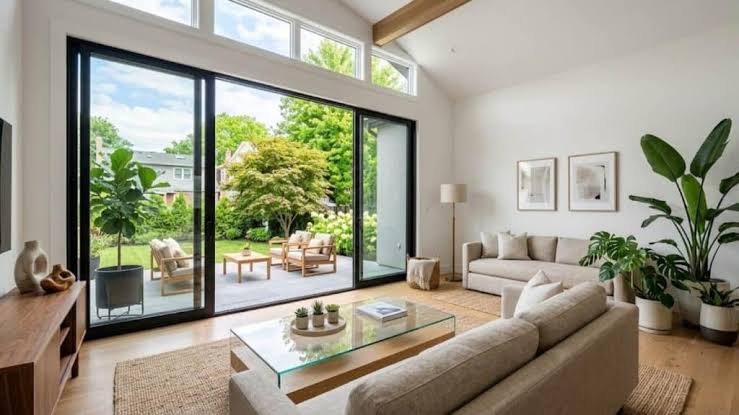
Room addition cost by size
Additions get priced by the square foot, so size drives the total. One quirk worth knowing: the bigger the room, the lower the cost per foot usually goes, since a lot of the setup work is the same either way.
|
Room size |
Square feet |
Typical total (build out) |
|---|---|---|
|
10×10 |
100 |
$12,500-$37,500 |
|
12×12 |
144 |
$18,000-$54,000 |
|
15×20 |
300 |
$37,500-$112,500 |
|
20×20 |
400 |
$50,000-$150,000 |
These are working ranges, not quotes. A plain bedroom lands low. Add a bath or kitchen, splurge on finishes, or go up a floor, and you climb toward the top. A 15×20 primary suite, for instance, often runs $60,000 or more.
Those totals move with a handful of factors. But first, the question we hear most.
Is it cheaper to build out or add a second story?
Out is almost always cheaper than up. A ground-floor addition sits in the lower-to-middle part of that range. A second story pushes to the top, around $300 to $375 a square foot and up.
Why the jump? Structure. Going up means reinforcing the foundation and walls below to carry the load, which brings in engineering, more labor, and more inspections. And the rooms underneath get torn up during the build, because you can’t really seal the work off to one floor.
That said, building up still wins in a few spots. We’d point you upward when:
- Your lot’s small.
- Setbacks or a tight property line kill a ground-floor addition.
- You want to keep the yard, driveway, or pool you already have.
Either way, a few other things shape the final bill. Here they are.
What affects the price of a room addition in Pinellas County?
Past room type and size, a handful of things move the number. Labor’s the big one, usually 40% to 60% of the total. The rest comes down to your house and your lot.
Here’s what to plan for:
- Room type. Wet rooms, kitchens and bathrooms, cost a lot more than a bedroom.
- Labor. Framing, electrical, plumbing, HVAC. The trades eat most of the budget.
- Foundation. High water table here, so most additions sit on a slab, roughly $6,000 to $15,000.
- Finishes. Basic drywall and vinyl keep it cheap. Hardwood, custom cabinets, and nice windows don’t.
- Tie-in. Matching your existing roofline and siding so it looks original adds about $1,500 to $3,500.
- HVAC. A dedicated mini-split for the new space runs about $3,000 to $5,000 installed.
- Site prep. Trees, an old patio, landscaping in the way. All of it adds up before framing starts.
- Permits and engineering. Required, and they cost real money. More on that below.
One set of factors matters more here than almost anywhere in the country. So let’s get into those.
How do Pinellas wind and flood rules change your cost?
This is where a Clearwater addition parts ways with one in Ohio. We’re in one of the highest wind zones in the country, and a lot of the county sits in a FEMA flood zone. Both cost money. Both are easy to miss until a plan reviewer flags them.
The wind code
Under Florida’s current building code (the 8th Edition, 2023), design wind speeds across Pinellas land in the 150 to 160 mph range. Every new wall, opening, and roof plane on your addition has to hit that code, even if the rest of your house was built to an older one.
In practice:
- Hurricane straps and clips tie the roof, walls, and foundation into one continuous load path. Inspectors check them at several stages.
- Impact windows and doors. Strongly recommended across the metro, required in some coastal pockets.
- Those impact products cost about 20% to 40% more than standard. But they can lower your insurance and drop the need for separate shutters, so plenty of homeowners come out ahead.
Here’s the part that surprises people. The metal hardware itself is cheap, a few hundred bucks. What costs you is the engineering and the round of inspections that make sure it’s all done right.
There’s help, too. If your home was permitted before 2008, My Safe Florida Home may reimburse up to $10,000 toward hardening work like impact windows and doors, on a 2-to-1 match. You’ll need a homestead exemption, an insured value of $700,000 or less, and as of the current cycle, the program is limited to low- and moderate-income homeowners (at or below 120% of your county’s median income). Funding runs in cycles and dries up, so check mysafeflhome.com for what’s open right now.
Flood zones and the FEMA 50% rule
If you’re in a flood zone, and a lot of coastal Pinellas is, one federal rule can rewrite your whole budget. Barrier islands like Clearwater Beach and Sand Key are covered heavily.
In plain English, it’s the Substantial Improvement rule, the 50% rule for short. If your permitted work over any rolling 12 months hits 50% of your home’s market value, structure only, not the land, the whole house may have to come up to current flood code. And an addition counts. In a flood zone, that can mean lifting the house. So a $120,000 project turns into $200,000, sometimes more.
You can plan around it, though. Before you lock the scope:
- Pull your structure’s market value from the Pinellas County Property Appraiser, or hire an appraiser.
- Get an Elevation Certificate if you’re in a flood zone. Runs about $400 to $800.
- Close to the line? Space the phases more than 12 months apart, since the county counts a rolling 12-month window, not calendar years. And confirm the math with the county floodplain office before you commit.
This is exactly why who you hire matters. A builder who knows the Pinellas flood rules will shape the scope so you don’t trip the threshold by accident. Want the deeper version? Our guide to the permitting process walks through what triggers what.
Do you need a permit for a room addition in Clearwater?
Yes. Every room addition in Clearwater and Pinellas needs a permit. You can’t legally add living space without one, and skipping it can blow up a future sale.
Once you know where to go, it’s not bad. Inside Clearwater city limits, permits run through the city’s Construction Services Division and its ePermit portal. If you’re in unincorporated Pinellas, it’s the county’s Building and Development Review Services office at 440 Court Street. Other cities run their own departments, so check which one covers your address first.
What to expect:
- Review time. Plan review takes 10 to 30 business days, with simple express permits sometimes same-day.
- Fees. Figure about $11 per $1,000 of project value, plus roughly 25% for plan review, with a $125 minimum.
- What you hand in. Drawings, a site plan showing setbacks and your flood zone, and Florida Product Approval numbers for any impact windows and doors.
- Notice of Commencement. Required over $2,500, filed before the first inspection.
- Who pulls it. Your contractor does, and schedules the inspections, so you’re not the one calling around.
Permits in hand? Now the clock question.
How long does a room addition take?
Plan on 3 to 6 months, from drawing to final walkthrough. A good chunk of that happens before anyone swings a hammer, because design, engineering, and permitting come first.
Rough timeline:
- Design and engineering: 2 to 6 weeks.
- Permitting: 10 to 30 business days of review in Pinellas, longer if the plans need edits.
- Construction: a 12×12 runs about 4 to 8 weeks; a 20×20 takes 2 to 4 months.
Weather, materials, and inspector schedules all shift these. But a clear plan and steady updates keep things moving, which is most of the battle.
Does a room addition add value to your home?
Usually, yes. A well-planned addition returns a good share of its cost at resale, and a new bedroom or bath tends to do best, especially if your house is short on either.
Now, a straight take: an addition is worth it for most homes, not all. You rarely get 100% back, and you can over-build for your street. If the nicest house on the block sells for $600,000, dropping $200,000 into a $400,000 home probably won’t come back at resale. We’ve watched that math disappoint people. The additions that pay off fit the home and the neighborhood, and more than anything, they fix a real space problem you’re living with. A well-planned family room addition is a good example.
Popular room additions in Pinellas County
Folks here build for two reasons: more room for the family, and more protection from storms. Three types lead in 2026.
- Multi-gen in-law suites. A home inside your home. Private entrance, a kitchenette, an ADA-friendly bathroom. Great for aging parents or a kid who moved back.
- Hurricane-safe rooms. Reinforced build, impact windows. Doubles as a media room or gym most of the year, and a safe zone when it counts.
- Indoor-outdoor lanais. Louvered roofs and sliding glass walls that turn a porch into real, year-round space.
What a typical Pinellas room addition looks like
Here’s how a common job comes together, so you can picture the process and the money. This is a general example, not one specific project.
Say a Dunedin family wants a 15-by-20 primary suite, about 300 square feet, with a full bath. At OCC’s typical range, that finishes somewhere around $60,000 to $110,000, depending on the finishes. Design and permitting take a few weeks. The build runs two to four months. The home’s outside the flood zone, so no elevation headache, but the new walls and roof still meet the 150 mph wind code with straps and impact windows.
Yours will look different. That’s the whole reason every estimate starts with a site visit.
Thinking about adding on? One Clearwater Construction gives Pinellas homeowners a clear, written estimate and keeps you in the loop the whole way, from permit to final walkthrough. Call (727) 314-2191 or request a free estimate, and we’ll talk through your project and get you a real number for your home.

Frequently Asked Questions
How much does it cost to add a 12×12 room in Florida?
A 12×12 (144 square feet) usually runs $18,000 to $54,000 around Clearwater, based on our typical $125 to $375 a square foot. A plain bedroom sits low. Add plumbing, like a bathroom, and it climbs.
Is it cheaper to build a room addition or buy a bigger house?
For a lot of Pinellas homeowners who love where they live, adding on beats moving once you count agent fees, closing costs, and today’s home prices. Plus you get to stay put. But if you’re planning to sell soon, buying might make more sense.
Can I live in my home during a room addition?
Usually, yes. Most people stay, since the new space is sealed off from the house until tie-in. Fair warning though: expect noise, dust, and some mess, worst during framing and when the crew connects new to old.
Do I need an architect for a room addition?
Not always. But you do need engineered plans. In Pinellas, your drawings have to meet the wind code, and a second story usually needs an engineer or architect. Your contractor can line that up for you.
Can I add a room to my house without a permit in Florida?
No. State law and every local department require one. Unpermitted work can mean fines, failed inspections, and trouble at resale, since buyers and appraisers check.
What is the most expensive part of a room addition?
Kitchens and baths, per square foot, because of the plumbing, wiring, and finishes. Foundation work, the structural tie-in, and flood-zone elevation can also run the total up in a hurry.